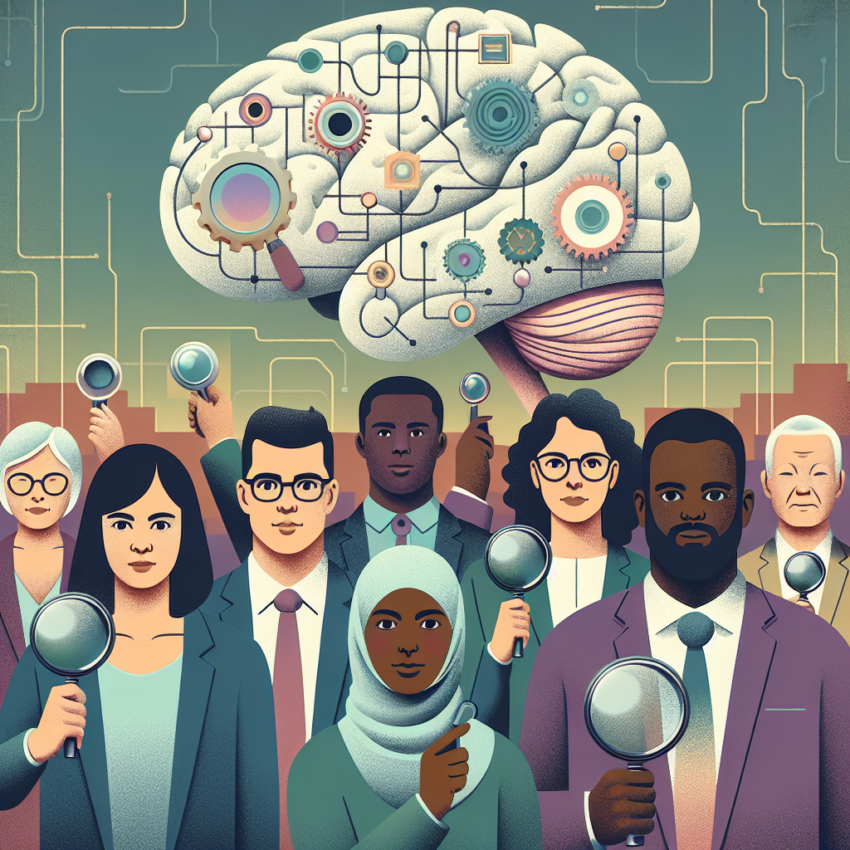
Understanding the Psychology of Affiliate Consumers
In the fast-paced world of digital marketing, understanding the psychology of affiliate consumers can be a game-changer. Whether you’re a seasoned affiliate marketer or just starting, knowing what makes consumers tick can help you fine-tune your strategies, boost engagement, and increase conversions. Let’s delve into the fascinating world of consumer psychology and discover how it shapes affiliate marketing success.
Table of Contents
1. Introduction to Affiliate Consumer Psychology
2. The Role of Trust in Affiliate Marketing
3. Emotional Triggers: The Key to Persuasion
4. The Power of Social Proof
5. Personalization: Making Consumers Feel Special
6. FOMO: The Fear of Missing Out
7. Conclusion
8. FAQs

Introduction to Affiliate Consumer Psychology
Affiliate marketing revolves around promoting products or services and earning a commission for each sale or lead generated through your efforts. However, it’s not just about showcasing products—it’s about understanding consumer behavior and tapping into the psychological factors that influence their purchasing decisions.
Consumers today are bombarded with information and choices. To stand out, affiliate marketers need to delve deeper into consumer psychology, ensuring that their strategies align with the mental and emotional processes of their target audience. Let’s explore some of these psychological aspects in detail.

The Role of Trust in Affiliate Marketing
Trust is the cornerstone of successful affiliate marketing. Consumers are more likely to make a purchase if they trust the recommendation. Building this trust requires transparency and authenticity.
Be Authentic: Consumers can spot insincerity from a mile away. Share genuine experiences and honest reviews. If a product isn’t up to par, don’t be afraid to say so. Your audience will appreciate your honesty and be more likely to trust your future recommendations.
Leverage Expertise: Position yourself as an expert in your niche. Provide valuable insights and content that showcase your knowledge. When consumers see you as a credible source, they are more likely to trust your recommendations.
Emotional Triggers: The Key to Persuasion
Emotions play a significant role in consumer decisions. By understanding and tapping into these emotions, affiliate marketers can drive conversions more effectively.
Use Storytelling: Stories are powerful tools for invoking emotions. Share relatable stories that resonate with your audience’s experiences and desires. A well-told story can create a connection that transcends the mere act of buying a product.
Highlight Benefits, Not Features: While features are important, consumers are more interested in how a product can improve their lives. Focus on the benefits and how the product can solve their problems or fulfill their needs.
The Power of Social Proof
Social proof is a psychological phenomenon where people mimic the actions of others in an attempt to reflect correct behavior. It can be a potent tool in affiliate marketing.
Showcase Testimonials: Displaying positive reviews and testimonials can significantly impact purchasing decisions. Encourage satisfied customers to share their experiences and highlight these on your platform.
Leverage Influencers: Partnering with influencers who align with your brand can extend your reach and lend credibility. Their endorsement can serve as powerful social proof for your target audience.
Personalization: Making Consumers Feel Special
In a world filled with generic messages, personalization can set you apart. Consumers appreciate when brands take the time to understand their preferences and tailor their messages accordingly.
Segment Your Audience: Divide your audience into segments based on demographics, interests, or behavior. Customize your marketing messages to cater to each segment’s unique needs and preferences.
Use Personalized Emails: Personalized email campaigns can increase engagement rates. Address consumers by name and recommend products based on their past purchases or browsing history.
FOMO: The Fear of Missing Out
FOMO, or the Fear of Missing Out, is a powerful motivator that can drive consumer action. Creating a sense of urgency can prompt consumers to make quicker decisions.
Limited-Time Offers: Highlight time-sensitive deals to encourage immediate action. The fear of missing out on a great deal can push consumers to complete their purchase.
Show Availability: Displaying low stock levels or limited availability can create a sense of urgency. Consumers may rush to buy to avoid missing out on the opportunity.
Conclusion
Understanding the psychology of affiliate consumers is key to crafting effective marketing strategies. By building trust, tapping into emotions, leveraging social proof, personalizing interactions, and utilizing FOMO, you can enhance your affiliate marketing efforts. Remember, it’s not just about promoting products; it’s about creating meaningful connections with your audience.
FAQs
1. Why is trust important in affiliate marketing?
Trust is crucial because consumers are more likely to follow recommendations from sources they trust. Building trust can lead to higher conversion rates and long-term customer loyalty.
2. How can storytelling improve affiliate marketing?
Storytelling can evoke emotions and create connections with consumers. By sharing relatable stories, you can make your recommendations more engaging and persuasive.
3. What is the role of social proof in consumer decisions?
Social proof influences consumer decisions by demonstrating that others have had positive experiences with a product. Testimonials, reviews, and influencer endorsements can serve as effective social proof.
4. How can personalization enhance affiliate marketing?
Personalization makes consumers feel valued and understood. By tailoring messages to their preferences, you can increase engagement and conversion rates.
5. How does FOMO impact consumer behavior?
FOMO creates a sense of urgency, prompting consumers to take action quickly. Limited-time offers and low availability alerts can leverage FOMO to drive purchases.
By understanding these psychological aspects, you can refine your affiliate marketing strategies and foster stronger connections with your audience. Happy marketing! 🎉
Our number 1 got to
Hit the button to check ot our number 1 go to affiliate program
Check out our sister site for the best affiliate programs of 2025