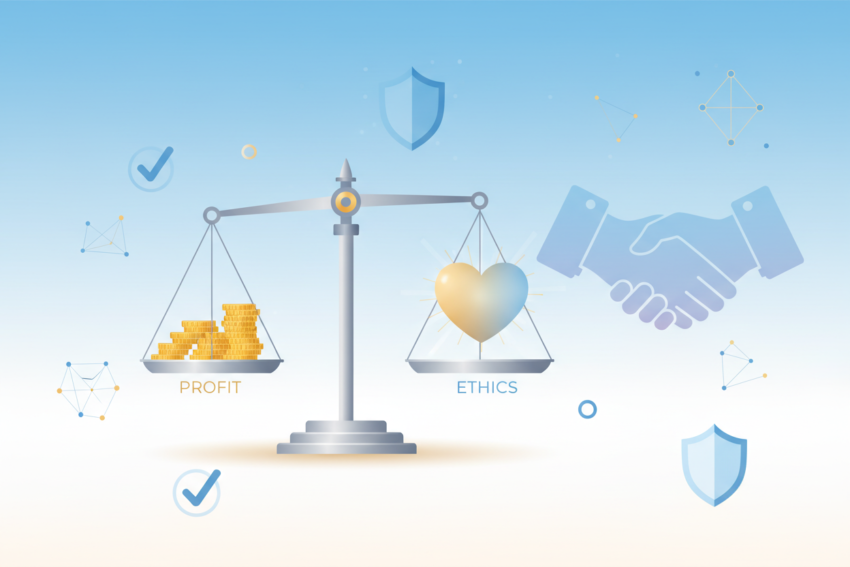
Implementing Ethical Practices in Affiliate Marketing: Building Trust That Converts 🎯
Picture this: you’re scrolling through your favorite blogger’s website, reading their genuine review of a product you’ve been considering. Suddenly, you notice they’ve disclosed their affiliate relationship transparently, shared both pros and cons honestly, and clearly stated they only recommend products they truly believe in. How does that make you feel? Probably more trusting and likely to consider their recommendation, right?
That’s the power of ethical affiliate marketing in action. In today’s digital landscape, where consumers are increasingly savvy and skeptical, implementing ethical practices isn’t just about doing the right thing—it’s about building sustainable, profitable relationships that benefit everyone involved.
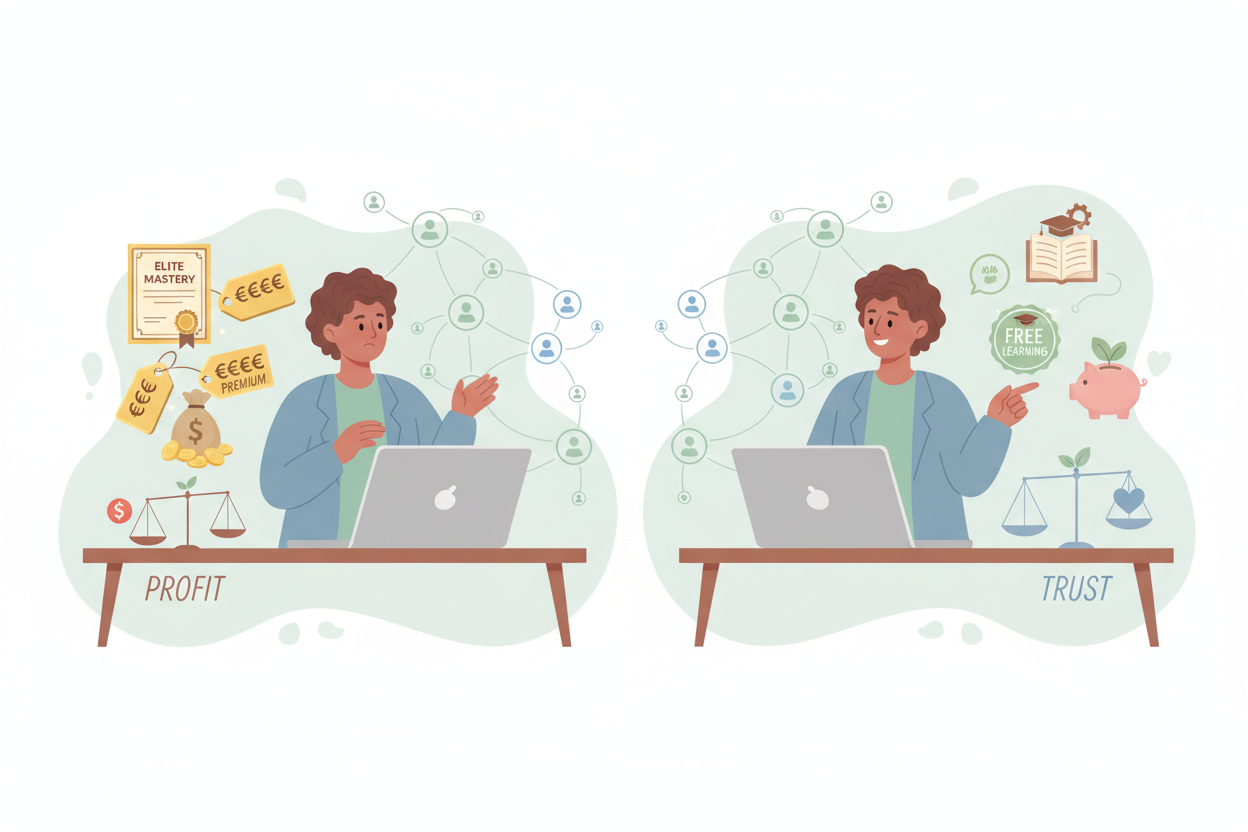
Welcome to your comprehensive guide on implementing ethical practices in affiliate marketing. Whether you’re a seasoned marketer looking to refine your approach or a newcomer wanting to start on the right foot, this post will equip you with the knowledge and strategies you need to succeed ethically.
Table of Contents
• Understanding Ethical Affiliate Marketing
• The Foundation of Trust: Transparency and Disclosure
• Quality Over Quantity: Choosing the Right Products
• Building Authentic Content That Converts
• Protecting Your Audience’s Best Interests
• Legal Compliance and Industry Standards
• Measuring Success Beyond Just Commissions
• Common Ethical Pitfalls to Avoid
• FAQs About Ethical Affiliate Marketing
Understanding Ethical Affiliate Marketing: More Than Just Following Rules 📚
Ethical affiliate marketing goes far beyond simply following FTC guidelines or checking legal boxes. It’s about creating a marketing ecosystem where trust, value, and authenticity drive every decision you make.
At its core, ethical affiliate marketing means promoting products and services that genuinely benefit your audience while being completely transparent about your financial relationships. It’s the difference between being a trusted advisor and being perceived as just another salesperson pushing whatever pays the highest commission.
Think about the affiliate marketers you respect most. They probably share personal experiences, acknowledge product limitations, and seem to genuinely care about helping their audience make informed decisions. That’s not accidental—it’s the result of implementing ethical practices consistently over time.
The beautiful thing about ethical affiliate marketing is that it creates a positive feedback loop. When you prioritize your audience’s needs and maintain transparency, you build trust. Trust leads to higher conversion rates, better audience retention, and ultimately, more sustainable income streams.
The Foundation of Trust: Transparency and Disclosure 🔍
Transparency isn’t just a legal requirement—it’s your secret weapon for building lasting relationships with your audience. When you’re upfront about your affiliate relationships, something interesting happens: people actually trust your recommendations more, not less.
Proper disclosure goes beyond the basic “this post contains affiliate links” disclaimer. Effective disclosure explains what affiliate marketing means in plain language, reassures your audience that your opinions remain unbiased, and demonstrates your commitment to their best interests.
Consider placing your disclosure prominently at the beginning of your content, not buried at the bottom where nobody reads it. Use clear, conversational language like: “Hey, just so you know—if you decide to purchase through my links, I’ll earn a small commission at no extra cost to you. I only recommend products I genuinely believe will help you, and my opinions are always my own.”
Beyond legal disclosures, transparency means being open about your experiences with products. Share your actual results, mention any challenges you encountered, and be honest about who the product is and isn’t right for. This level of transparency might seem like it would hurt your conversions, but experienced ethical affiliates know it actually improves them by attracting more qualified, committed buyers.
Quality Over Quantity: Choosing the Right Products to Promote 🎯
One of the biggest mistakes new affiliate marketers make is trying to promote everything under the sun. They see dollar signs and start plastering affiliate links everywhere, hoping something will stick. This approach not only dilutes your message but can seriously damage your credibility.
Ethical affiliate marketing requires being selective about the products and services you promote. Start by asking yourself these key questions: Have I personally used this product? Would I recommend it to my best friend? Does it solve a real problem for my audience? Is the company behind it reputable and aligned with my values?
I learned this lesson the hard way early in my affiliate marketing journey. I once promoted a course simply because it offered a hefty commission, without thoroughly vetting the content or instructor. When several readers reached out with complaints about the course quality, I realized I had damaged the trust I’d worked so hard to build. Now, I have a strict personal policy: I don’t promote anything I haven’t personally experienced or thoroughly researched.
Consider creating a personal vetting process for potential affiliate partnerships. This might include testing products yourself, researching the company’s reputation, reading customer reviews from multiple sources, and evaluating how well the product fits your audience’s needs and budget.
Building Authentic Content That Converts 📝
Authentic content is the cornerstone of ethical affiliate marketing. Your audience can sense when you’re being genuine versus when you’re just trying to make a sale. The difference lies in your approach, tone, and the value you provide beyond just product promotion.
Start by focusing on solving problems rather than selling products. Instead of writing “Top 10 Products You Must Buy Now,” create content like “How I Solved My Morning Routine Chaos (And the Tools That Helped).” This approach naturally incorporates product recommendations within valuable, story-driven content that readers actually want to consume.
Share your genuine experiences, including both successes and failures. If a product didn’t work as expected for you, say so. If it has limitations, mention them. If it’s expensive but worth it, explain why. This balanced approach builds credibility and helps your audience make informed decisions.
Remember to include non-affiliate alternatives in your recommendations. This might seem counterintuitive, but mentioning free alternatives or competitors (even when you don’t earn from them) demonstrates that you’re truly looking out for your audience’s best interests. This level of objectivity actually makes your affiliate recommendations more powerful when you do make them.
Protecting Your Audience’s Best Interests 🛡️
Putting your audience’s interests first isn’t just good karma—it’s good business. When you consistently prioritize what’s best for your readers over what’s most profitable for you, you create a loyal community that trusts your recommendations and keeps coming back for more.
This means sometimes recommending less expensive alternatives, warning about potential drawbacks, or even advising against a purchase if it’s not the right fit. I once had a reader ask about an expensive course I was affiliated with, but after learning about their budget constraints and current skill level, I recommended they start with a free resource instead. While I didn’t earn a commission from that interaction, that reader became one of my most engaged community members and has since purchased several other recommendations.
Consider implementing cooling-off periods for high-ticket items. If you’re promoting expensive courses or software, suggest that readers take 24-48 hours to think it over before purchasing. This approach reduces buyer’s remorse and returns while demonstrating that you care more about their satisfaction than your immediate commission.
Stay accessible for questions and support after recommendations. Make it easy for your audience to reach out with concerns or questions about products you’ve recommended. This ongoing relationship builds trust and often leads to valuable feedback that improves your future recommendations.
Legal Compliance and Industry Standards ⚖️
While ethical practices go beyond legal requirements, compliance with regulations is absolutely essential. The FTC guidelines for affiliate marketing exist to protect consumers, and violating them can result in serious consequences for your business.
Key compliance areas include proper disclosure placement and language, honest advertising practices, and maintaining records of your promotional activities. Your disclosures must be clear, conspicuous, and easily understood by your audience. They should appear before the affiliate link, not after, and be visible without scrolling on mobile devices.
Different countries and regions have their own regulations, so if you have an international audience, research the requirements for your major traffic sources. For example, GDPR in Europe affects how you can collect and use data for affiliate marketing purposes.
Stay updated on industry changes by following reputable affiliate marketing publications, joining professional associations, and consulting with legal professionals when needed. The regulatory landscape continues to evolve, and staying informed protects both you and your audience.
Measuring Success Beyond Just Commissions 📊
Traditional affiliate marketing often focuses solely on conversion rates and commission earnings, but ethical affiliate marketing requires a broader view of success. While profitability remains important, consider additional metrics that reflect your ethical practices and long-term sustainability.
Track engagement metrics like email open rates, social media interactions, and website return visits. These indicators often reflect the trust and value you’re providing to your audience. High engagement typically correlates with higher long-term earnings, even if individual conversion rates might be slightly lower.
Monitor customer satisfaction through surveys, feedback emails, and social media mentions. Happy customers are more likely to trust future recommendations and share your content with others. Consider implementing post-purchase follow-ups to check on customer satisfaction and gather testimonials.
Pay attention to your audience growth and retention rates. Ethical practices tend to attract more loyal, engaged followers who stick around longer and have higher lifetime values than audiences built through aggressive or deceptive tactics.
Common Ethical Pitfalls to Avoid 🚫
Even well-intentioned affiliate marketers can stumble into ethical gray areas. Being aware of common pitfalls helps you maintain your standards and protect your reputation.
Avoid the temptation to create false scarcity or urgency. While legitimate limited-time offers exist, fabricating countdown timers or claiming “only 3 left” when it’s not true damages trust and can have legal implications.
Don’t hide negative reviews or feedback about products you promote. If customers are having issues with something you’ve recommended, address it openly and honestly. This transparency actually builds more trust than trying to suppress negative feedback.
Resist promoting products solely based on commission rates. High-paying affiliate programs aren’t worth damaging your reputation for. Always prioritize product quality and audience fit over potential earnings.
Be cautious about promoting products in niches where you lack expertise. While you don’t need to be an expert in everything, recommending products in areas where you have no experience or knowledge can lead to poor recommendations and disappointed customers.
Frequently Asked Questions About Ethical Affiliate Marketing 🤔
Q: Will being ethical hurt my affiliate marketing earnings?
A: Initially, you might see slightly lower conversion rates as you focus on quality over quantity. However, ethical practices typically lead to higher long-term earnings through increased trust, better audience retention, and more qualified leads who are genuinely interested in your recommendations.
Q: How detailed should my affiliate disclosures be?
A: Your disclosures should be clear, prominent, and easy to understand. Include them at the beginning of your content, explain what affiliate marketing means in plain language, and reassure readers that your opinions remain unbiased. The FTC provides specific guidelines, but when in doubt, err on the side of being more transparent.
Q: Can I promote products I haven’t personally used?
A: While it’s possible to promote products you haven’t used, it requires extra diligence. Thoroughly research the product, read customer reviews, understand the company’s reputation, and clearly disclose that you haven’t personally used it. However, personal experience almost always leads to more authentic and effective recommendations.
Q: How do I handle negative feedback about products I’ve promoted?
A: Address negative feedback openly and honestly. If multiple people are having issues with a product you’ve recommended, consider updating your review or even removing the recommendation entirely. Your reputation is worth more than any single affiliate commission.
Q: Should I mention competitors or non-affiliate alternatives?
A: Yes, mentioning alternatives (including free options) actually strengthens your credibility and demonstrates that you’re looking out for your audience’s best interests. This objectivity makes your affiliate recommendations more powerful and trustworthy.
Q: How often should I review and update my affiliate partnerships?
A: Regularly review your affiliate partnerships, ideally quarterly or whenever you receive significant feedback about a product. Companies change, products evolve, and what was once a great recommendation might no longer serve your audience well.
Building Your Ethical Affiliate Marketing Future 🚀
Implementing ethical practices in affiliate marketing isn’t just about following rules or avoiding problems—it’s about building a sustainable, profitable business that you can be proud of. When you prioritize transparency, authenticity, and your audience’s best interests, you create something much more valuable than quick commissions: you build trust.
Trust is the ultimate competitive advantage in affiliate marketing. In a world where consumers are bombarded with promotional messages and have become increasingly skeptical of online recommendations, being the marketer who consistently puts their audience first sets you apart from the crowd.
Remember, ethical affiliate marketing is a journey, not a destination. As you grow and evolve, continue to evaluate your practices, seek feedback from your audience, and stay informed about industry developments. The effort you invest in maintaining ethical standards today will pay dividends in the form of a loyal, engaged audience and sustainable income streams for years to come.
Start implementing these ethical practices today, even if it means turning down some immediate opportunities or seeing slightly lower short-term conversions. Your future self—and your audience—will thank you for making the choice to build something lasting and meaningful in the affiliate marketing space. 💪
Our number 1 got to
Hit the button to check ot our number 1 go to affiliate program
Check out our sister site for the best affiliate programs of 2025