
Enhancing SEO for Affiliate Marketing Success: Your Complete Guide to Dominating Search Rankings 🚀
Table of Contents
1. Introduction to SEO for Affiliate Marketing
2. Understanding the SEO-Affiliate Marketing Connection
3. Keyword Research Strategies for Affiliate Success
4. Creating High-Quality Content That Converts
5. Technical SEO Essentials for Affiliate Sites
6. Link Building Strategies That Actually Work
7. Mobile Optimization and User Experience
8. Measuring and Tracking Your SEO Success
9. Common SEO Mistakes to Avoid
10. Conclusion
11. Frequently Asked Questions
If you’re diving into affiliate marketing, you’ve probably realized that getting traffic to your site isn’t as simple as throwing up a few product reviews and hoping for the best. I learned this the hard way when I started my first affiliate website three years ago – spending months creating content that nobody ever found! 😅
The truth is, SEO (Search Engine Optimization) is the backbone of successful affiliate marketing. Without it, your carefully crafted product recommendations are like whispers in a crowded stadium. But here’s the good news: with the right SEO strategies, you can transform your affiliate site into a traffic magnet that generates consistent, passive income.
In this comprehensive guide, we’ll explore proven techniques to enhance your SEO game and skyrocket your affiliate marketing success. Whether you’re a complete beginner or looking to refine your existing strategy, these insights will help you climb those search rankings and boost your commissions.
Understanding the SEO-Affiliate Marketing Connection 🔗
Before we dive into the tactics, let’s talk about why SEO and affiliate marketing are such perfect partners. Think of SEO as your 24/7 sales team – it works around the clock to bring qualified prospects to your affiliate offers without you having to pay for each click.
Unlike paid advertising, organic traffic from search engines tends to be more targeted and cost-effective in the long run. When someone searches for “best wireless headphones under $100,” they’re already in buying mode. If your affiliate review ranks at the top, you’re positioned perfectly to capture that purchase intent.
The beauty of this relationship lies in sustainability. While social media algorithms change overnight and ad costs fluctuate, a well-optimized piece of content can drive traffic and commissions for years. I still have articles from 2021 that consistently generate affiliate income every month! 💰
Keyword Research Strategies for Affiliate Success 🎯
Effective keyword research is like having a roadmap to your customers’ minds. You need to understand not just what they’re searching for, but the intent behind those searches. For affiliate marketing, this becomes even more crucial because you’re targeting people ready to make purchasing decisions.
Start with commercial intent keywords – phrases that indicate someone is ready to buy. These include terms like “best,” “review,” “comparison,” “vs,” and “buying guide.” For example, instead of targeting the broad term “laptops,” focus on “best laptops for college students 2024” or “MacBook Pro vs Dell XPS comparison.”
Long-tail keywords are your secret weapon in affiliate marketing. They might have lower search volumes, but they often have higher conversion rates because they’re more specific. Someone searching for “budget-friendly noise-canceling headphones for studying” is much more likely to make a purchase than someone just searching for “headphones.”
Use tools like Google Keyword Planner, Ahrefs, or SEMrush to identify these golden keywords. But don’t forget about the free option – Google’s autocomplete and “People also ask” sections are goldmines for discovering what your audience actually wants to know.
Creating High-Quality Content That Converts 📝
Here’s where many affiliate marketers go wrong: they create content for search engines instead of humans. Google’s algorithms have become incredibly sophisticated at detecting thin, promotional content that doesn’t provide real value. The key is creating content that genuinely helps your audience make informed decisions.
Your content should answer questions, solve problems, and provide insights that readers can’t find elsewhere. When writing product reviews, don’t just list features – explain how those features benefit the user in real-world scenarios. Share personal experiences, include pros and cons, and be honest about limitations.
Structure your content for both readability and SEO. Use descriptive headings that include your target keywords naturally. Break up long paragraphs with subheadings, bullet points, and images. Remember, people scan content online – make it easy for them to find the information they need quickly.
Include comparison tables, step-by-step guides, and visual elements that enhance the user experience. The longer people stay on your page and engage with your content, the better your SEO performance will be. It’s a virtuous cycle – better content leads to better rankings, which leads to more traffic and conversions.
Technical SEO Essentials for Affiliate Sites ⚙️
While content is king, technical SEO is the foundation that supports your castle. Even the most amazing content won’t rank well if your site has technical issues that prevent search engines from crawling and indexing it effectively.
Page speed is absolutely critical for affiliate sites. Amazon found that every 100ms delay in page load time decreased sales by 1%. Use tools like Google PageSpeed Insights or GTmetrix to identify speed issues. Optimize images, leverage browser caching, and consider using a content delivery network (CDN) to improve loading times globally.
Your site architecture should be logical and easy to navigate. Create clear category structures and use internal linking to help both users and search engines understand the relationship between your content. When you mention a product in one article, link to your detailed review of that product in another article.
Don’t forget about schema markup – it’s like giving search engines a cheat sheet about your content. For affiliate sites, product schema and review schema can help your content appear in rich snippets, potentially increasing click-through rates significantly.
Link Building Strategies That Actually Work 🔗
Link building for affiliate sites requires a delicate balance. You want to build authority and trust, but you also need to be careful about how you approach it since affiliate sites can be viewed skeptically by some webmasters.
Focus on creating link-worthy content that naturally attracts backlinks. Original research, comprehensive guides, and unique insights are link magnets. I once created a detailed analysis of smartphone battery life across different brands, and it earned dozens of natural backlinks from tech blogs and forums.
Guest posting can be effective, but choose your opportunities wisely. Look for sites in your niche that accept guest contributions and have engaged audiences. Provide genuine value in your guest posts – don’t just use them as vehicles for promotion.
Build relationships within your niche community. Engage with other bloggers, participate in forums, and contribute to discussions on social media. Authentic relationships often lead to natural linking opportunities that feel organic rather than forced.
Mobile Optimization and User Experience 📱
With over 60% of searches now happening on mobile devices, mobile optimization isn’t optional – it’s essential. Google’s mobile-first indexing means they primarily use the mobile version of your site for ranking and indexing.
Ensure your site is responsive and looks great on all device sizes. Test your affiliate links on mobile devices to make sure they work properly. Nothing kills conversions faster than a broken link when someone’s ready to make a purchase on their phone!
Pay attention to mobile user experience factors like tap targets, font sizes, and navigation. Mobile users are often in a hurry and have less patience for poor user experiences. Make it easy for them to find what they need and take action quickly.
Consider the mobile customer journey when structuring your content. Mobile users might prefer shorter paragraphs, more visual elements, and clear calls-to-action that are easy to tap with their thumbs.
Measuring and Tracking Your SEO Success 📊
You can’t improve what you don’t measure. Set up comprehensive tracking to monitor your SEO performance and affiliate conversions. Google Analytics and Google Search Console should be your starting points, but don’t stop there.
Track keyword rankings for your target terms, but also monitor organic traffic growth, conversion rates, and revenue per visitor. Sometimes a slight drop in rankings might not matter if your conversion rate improves due to better-targeted traffic.
Set up goal tracking in Google Analytics to monitor affiliate link clicks and conversions. This data helps you understand which content pieces are your top performers and where to focus your optimization efforts.
Create regular reports to track your progress over time. SEO is a long-term game, and it’s easy to get discouraged if you’re only looking at day-to-day fluctuations. Monthly or quarterly reviews give you a better perspective on your overall trajectory.
Common SEO Mistakes to Avoid ❌
Learning from others’ mistakes can save you months of frustration. One of the biggest mistakes I see affiliate marketers make is keyword stuffing. Yes, you want to include your target keywords, but forcing them into every sentence makes your content read unnaturally and can actually hurt your rankings.
Another common pitfall is neglecting content updates. Your “best products of 2022” list isn’t going to perform well in 2024! Regularly update your content with current information, new products, and fresh insights. Search engines favor fresh, relevant content.
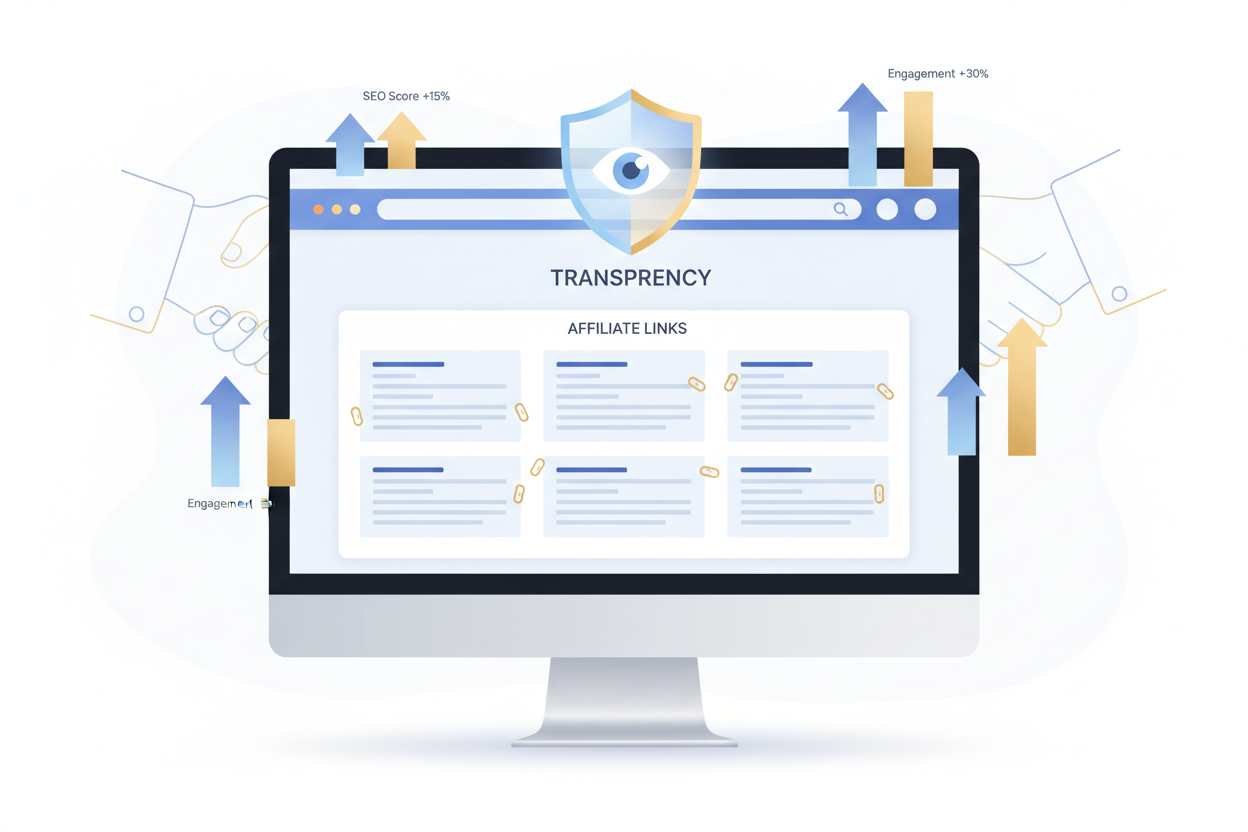
Don’t ignore the importance of proper disclosure. Not only is it legally required in many jurisdictions, but it also builds trust with your audience. Be transparent about your affiliate relationships – it actually increases credibility rather than hurting it.
Avoid the temptation to copy content from manufacturer websites or other review sites. Duplicate content can severely impact your rankings, and it doesn’t provide any unique value to your readers.
Conclusion: Your Path to SEO-Powered Affiliate Success 🎉
Enhancing SEO for affiliate marketing success isn’t about gaming the system or finding quick shortcuts. It’s about creating genuine value for your audience while making it easy for search engines to understand and recommend your content.
The strategies we’ve covered – from thorough keyword research to technical optimization – work together to create a foundation for long-term success. Remember, SEO is a marathon, not a sprint. The affiliate marketers who succeed are those who consistently create valuable content, optimize for user experience, and adapt to algorithm changes.
Start implementing these techniques one at a time. Focus on creating amazing content first, then layer on the technical optimizations. Monitor your progress, learn from your data, and don’t be afraid to experiment with new approaches.
Your affiliate marketing success story is waiting to be written. With the right SEO foundation, you can build a sustainable business that generates income while you sleep. Now that’s what I call working smarter, not harder! 💪
Frequently Asked Questions 🤔
How long does it take to see SEO results for affiliate marketing?
SEO is a long-term strategy, and results typically start showing after 3-6 months of consistent effort. However, some competitive niches may take 6-12 months to see significant rankings improvements. The key is to stay consistent and patient while focusing on creating valuable content.
Should I focus on high-volume or long-tail keywords for affiliate marketing?
Long-tail keywords are generally more effective for affiliate marketing because they indicate higher purchase intent and face less competition. While high-volume keywords can drive more traffic, long-tail keywords often convert better and are easier to rank for as a new site.
How many affiliate links should I include in my content?
There’s no magic number, but focus on quality over quantity. Include affiliate links naturally where they add value to your content. Generally, 2-5 well-placed affiliate links per 1,000 words work well, but this varies based on your content type and audience needs.
Can I use the same content across multiple affiliate programs?
Avoid duplicating content across different sites or programs, as this can hurt your SEO performance. Instead, create unique content for each platform while maintaining your core message and recommendations. This approach provides better value to readers and performs better in search results.
How important is social media for affiliate SEO?
While social media signals aren’t direct ranking factors, they can indirectly boost your SEO by increasing content visibility, driving traffic, and potentially earning backlinks. Use social media to promote your content and engage with your audience, but don’t rely on it as your primary traffic source.
What’s the best way to handle affiliate link disclosure for SEO?
Be transparent and clear about your affiliate relationships. Place disclosures prominently at the beginning of your content and near affiliate links. Use clear language like “This post contains affiliate links” rather than vague terms. Proper disclosure builds trust and can actually improve your SEO by increasing user engagement and time on site.
Our number 1 got to
Hit the button to check ot our number 1 go to affiliate program