
Beginner-Friendly Strategies for Affiliate Marketing Success: Your Complete Guide to Getting Started
Starting your affiliate marketing journey can feel overwhelming, especially when you’re bombarded with complex strategies and technical jargon. But here’s the truth: affiliate marketing doesn’t have to be rocket science. With the right approach and beginner-friendly strategies, you can build a profitable affiliate marketing business from scratch. 💪
Whether you’re looking to supplement your income or build a full-time online business, this comprehensive guide will walk you through proven strategies that actually work for beginners. Let’s dive into the world of affiliate marketing and discover how you can turn your passion into profit.
Table of Contents
• Understanding Affiliate Marketing Fundamentals
• Choosing Your Profitable Niche
• Finding and Evaluating Affiliate Programs
• Building Your Content Strategy
• Creating High-Converting Content
• Leveraging Social Media for Affiliate Success
• Email Marketing for Affiliate Marketers
• Tracking and Optimizing Your Performance
• Common Mistakes to Avoid
• Scaling Your Affiliate Marketing Business
• Frequently Asked Questions
Understanding Affiliate Marketing Fundamentals
Before jumping into strategies, let’s establish what affiliate marketing really is. Simply put, affiliate marketing is a performance-based marketing strategy where you earn commissions by promoting other companies’ products or services. When someone purchases through your unique affiliate link, you receive a percentage of the sale.
The beauty of affiliate marketing lies in its simplicity. You don’t need to create products, handle customer service, or manage inventory. Your job is to connect the right products with the right audience. It’s like being a trusted friend who recommends great products and gets rewarded for it. 🎯
The affiliate marketing ecosystem involves three key players: the merchant (product creator), the affiliate (that’s you!), and the customer. Your role is to bridge the gap between merchants and customers by providing valuable content and honest recommendations.
Choosing Your Profitable Niche
Selecting the right niche is crucial for your affiliate marketing success. Many beginners make the mistake of choosing overly broad niches or focusing solely on profitability without considering their interests and expertise.
Start by identifying topics you’re genuinely passionate about. Ask yourself: What problems do you solve in your daily life? What hobbies or interests consume your free time? What professional expertise do you possess? The intersection of your passion, knowledge, and market demand is where you’ll find your sweet spot.
Research your potential niche thoroughly. Use tools like Google Trends, Amazon’s Best Sellers lists, and keyword research tools to validate market demand. Look for niches with consistent search volume, active communities, and a variety of affiliate programs available.
Consider sub-niches within broader categories. Instead of targeting “fitness,” focus on “home workouts for busy professionals” or “yoga for beginners over 50.” This specificity helps you stand out and attract a more targeted audience. 🎪
Finding and Evaluating Affiliate Programs
Once you’ve chosen your niche, it’s time to find quality affiliate programs. Start with popular affiliate networks like Amazon Associates, ShareASale, CJ Affiliate, and ClickBank. These platforms offer thousands of products across various categories.
Don’t overlook direct affiliate programs from companies in your niche. Many businesses offer their own affiliate programs with better commission rates and more personalized support. Visit websites of products you already use and love – there’s often an affiliate program link in the footer.
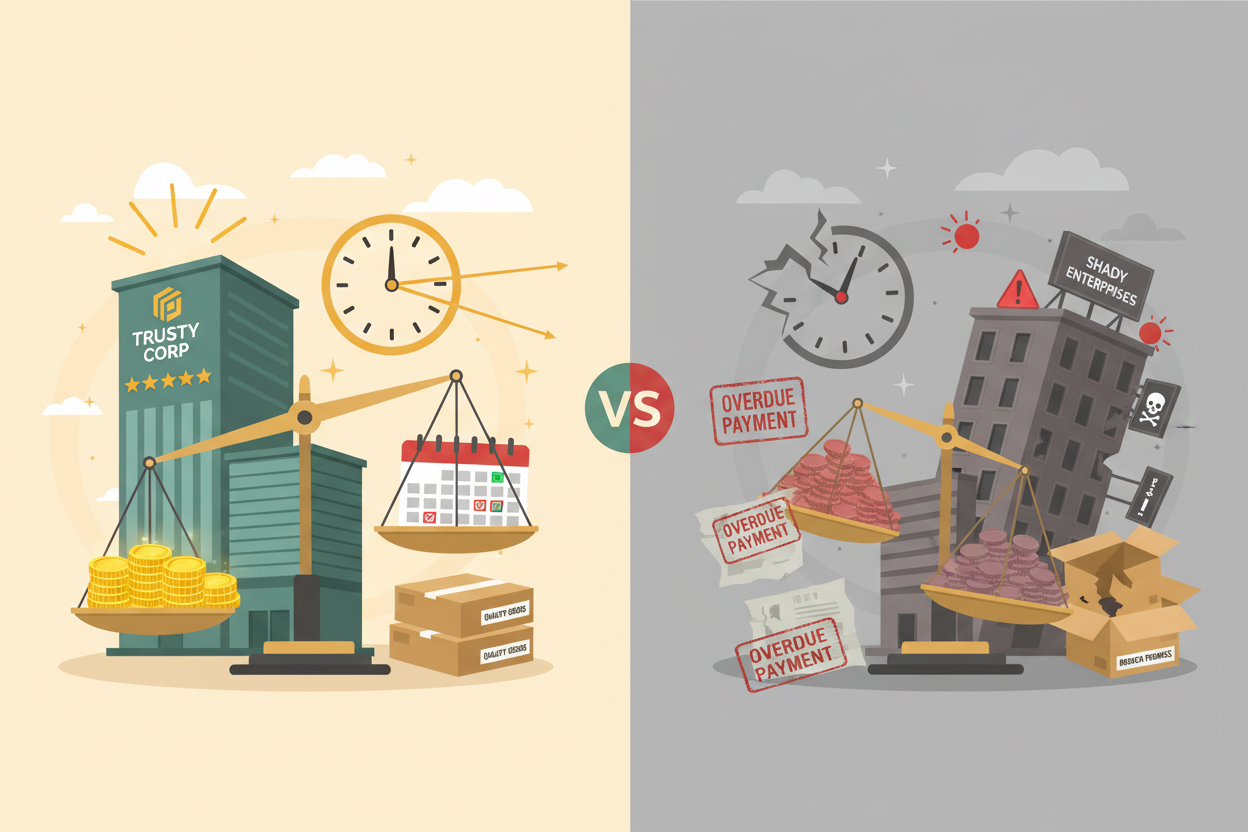
When evaluating affiliate programs, consider several factors beyond just commission rates. Look at cookie duration (how long you get credit for a referral), payment terms, product quality, and the company’s reputation. A higher commission rate means nothing if the product is poor quality or the company doesn’t pay on time.
Start with 3-5 affiliate programs rather than trying to promote everything. This allows you to learn each program’s requirements and optimize your promotional strategies effectively.
Building Your Content Strategy
Content is the foundation of successful affiliate marketing. Your content strategy should focus on providing genuine value while naturally incorporating affiliate promotions. The key is to help first and sell second.
Develop a content calendar that includes various types of content: product reviews, comparison posts, tutorials, and educational articles. Mix promotional content with purely helpful content to build trust with your audience. A good rule of thumb is the 80/20 rule – 80% valuable, non-promotional content and 20% affiliate promotions.
Research your audience’s pain points and questions. What keeps them up at night? What solutions are they seeking? Use tools like AnswerThePublic, Reddit, and Facebook groups to understand your audience’s language and concerns.
Plan your content around the buyer’s journey. Create awareness-stage content for people just discovering their problems, consideration-stage content for those comparing solutions, and decision-stage content for ready-to-buy prospects. 🛍️
Creating High-Converting Content
The secret to high-converting affiliate content lies in authenticity and value. Write like you’re talking to a friend, sharing genuine experiences and honest opinions. People can sense when content is purely promotional versus when it’s genuinely helpful.
Product reviews are among the highest-converting content types for affiliate marketers. Structure your reviews to address common buyer concerns: features, benefits, pros and cons, pricing, and alternatives. Include personal experiences when possible – even if you haven’t used the product, research thoroughly and present information as if you’re helping a friend make a decision.
Comparison posts perform exceptionally well because they help buyers make informed decisions. Compare 3-5 products in your niche, highlighting the best use cases for each. This positions you as a helpful advisor rather than a pushy salesperson.
Tutorial content builds trust and demonstrates product value. Show how to use products to solve specific problems. This approach naturally leads to affiliate recommendations as part of the solution.
Always include clear call-to-actions (CTAs) without being overly aggressive. Phrases like “Check current price” or “Learn more here” work better than “BUY NOW!” Your goal is to provide information and make it easy for interested readers to take the next step. ✨
Leveraging Social Media for Affiliate Success
Social media platforms offer incredible opportunities for affiliate marketers, but each platform requires a different approach. Choose 1-2 platforms where your target audience is most active rather than trying to be everywhere.
Instagram works well for lifestyle, fashion, beauty, and fitness niches. Use Stories, Reels, and posts to showcase products in action. The key is to make your content feel natural and lifestyle-focused rather than promotional.
YouTube is perfect for in-depth reviews, tutorials, and demonstrations. Video content builds stronger connections with your audience and allows for more detailed product explanations. Start with simple smartphone videos – perfection isn’t required, authenticity is.
Pinterest excels for niches like home decor, recipes, DIY projects, and fashion. Create visually appealing pins that link back to your detailed blog posts or reviews.
Remember to always disclose your affiliate relationships. Use hashtags like #affiliate, #ad, or #sponsored as required by FTC guidelines and platform policies. Transparency builds trust and protects your business legally. 📱
Email Marketing for Affiliate Marketers
Building an email list is one of the most valuable assets for long-term affiliate marketing success. Email subscribers are typically more engaged and convert at higher rates than social media followers.
Create lead magnets that provide immediate value to your audience. This could be a free guide, checklist, template, or exclusive discount. Make sure your lead magnet directly relates to your niche and the products you’ll eventually promote.
Develop an email sequence that nurtures new subscribers. Share your story, provide valuable tips, and gradually introduce affiliate recommendations. The goal is to build a relationship before making any sales pitches.
Send regular newsletters that mix valuable content with occasional affiliate promotions. Share industry news, tips, personal updates, and honest product recommendations. Your subscribers should look forward to hearing from you.
Segment your email list based on interests and engagement levels. This allows you to send more targeted affiliate promotions that are relevant to specific subscriber groups. 💌
Tracking and Optimizing Your Performance
Successful affiliate marketing requires constant monitoring and optimization. Track key metrics like click-through rates, conversion rates, and earnings per click for each affiliate program.
Use Google Analytics to understand which content drives the most affiliate clicks and conversions. Pay attention to traffic sources, user behavior, and conversion paths. This data helps you double down on what’s working and improve what isn’t.
Most affiliate programs provide detailed reporting dashboards. Review these regularly to identify your best-performing content and products. Look for patterns in your successful promotions and replicate those strategies.
A/B test different elements of your affiliate promotions: button colors, placement, text, and calls-to-action. Small changes can lead to significant improvements in conversion rates.
Keep detailed records of your affiliate marketing activities. Track which strategies work best for different products and audiences. This information becomes invaluable as you scale your business. 📊
Common Mistakes to Avoid
Learning from others’ mistakes can save you time and frustration. Here are the most common pitfalls new affiliate marketers face:
Promoting too many products at once dilutes your focus and confuses your audience. Start with a few high-quality products you genuinely believe in.
Focusing solely on high-commission products without considering their relevance to your audience often leads to poor conversion rates. Sometimes, lower-commission products that perfectly match your audience’s needs will earn more overall.
Neglecting to build relationships with your audience is a critical error. Affiliate marketing is about trust and recommendations, not just pushing products.
Failing to disclose affiliate relationships can damage your credibility and violate legal requirements. Always be transparent about your affiliate partnerships.
Expecting overnight success leads to disappointment and giving up too early. Affiliate marketing is a long-term strategy that requires patience and consistency. 🚫
Scaling Your Affiliate Marketing Business
Once you’ve found success with your initial strategies, it’s time to scale. Focus on what’s working and expand those efforts rather than constantly trying new tactics.
Create more content around your best-performing topics and products. If a particular review or tutorial is driving significant affiliate sales, create related content to capture more of that audience.
Consider outsourcing content creation, social media management, or technical tasks as your income grows. This allows you to focus on strategy and high-level activities.
Explore additional traffic sources like paid advertising, guest posting, or podcast appearances. Diversifying your traffic sources reduces risk and increases opportunities.
Build relationships with other affiliate marketers and industry professionals. Networking can lead to collaboration opportunities, insider tips, and new affiliate program discoveries.
Consider creating your own products to complement your affiliate promotions. This could be courses, ebooks, or coaching services that provide additional income streams. 🚀
Frequently Asked Questions
How much money can I realistically make with affiliate marketing?
Affiliate marketing income varies widely based on your niche, effort, and strategy. Beginners might earn $100-500 per month in their first year, while experienced marketers can earn six or seven figures annually. Focus on providing value and building an audience rather than chasing specific income targets.
Do I need a website to start affiliate marketing?
While a website isn’t strictly required, it’s highly recommended for long-term success. You can start with social media platforms, but a website gives you more control and credibility. Free platforms like WordPress.com or Blogger can get you started without significant investment.
How long does it take to see results from affiliate marketing?
Most beginners see their first affiliate commissions within 3-6 months of consistent effort. Building significant income typically takes 12-18 months. The key is consistency and patience – affiliate marketing is a marathon, not a sprint.
What’s the best affiliate program for beginners?
Amazon Associates is often recommended for beginners due to its ease of use and wide product selection. However, the best program depends on your niche and audience. Start with programs that offer products you genuinely use and recommend.
Is affiliate marketing saturated?
While affiliate marketing is competitive, it’s not saturated. New products, services, and sub-niches emerge constantly. Success comes from finding your unique angle and providing exceptional value to your specific audience.
Do I need to spend money on paid advertising?
Paid advertising isn’t necessary for affiliate marketing success. Many successful affiliates rely entirely on organic traffic from content marketing, SEO, and social media. Start with free methods and consider paid advertising once you’re generating consistent income.
Affiliate marketing success doesn’t happen overnight, but with the right strategies and consistent effort, you can build a profitable online business. Start with one strategy, master it, then gradually expand your efforts. Remember, the most successful affiliate marketers focus on helping their audience first – the commissions naturally follow. Your journey to affiliate marketing success starts with a single step, so take that step today and begin building your dream business! 🌟
Our number 1 got to
Hit the button to check ot our number 1 go to affiliate program
Check out our sister site for the best affiliate programs of 2025