Boosting Conversion Rates in Affiliate Marketing: 2025 Strategies That Actually Work 🚀
Table of Contents
📋 Introduction: The Conversion Challenge in Modern Affiliate Marketing
🎯 Understanding Your Audience Like Never Before
📱 Mobile-First Optimization Strategies
🤖 AI-Powered Personalization Techniques
📊 Data-Driven Content Creation
🔗 Strategic Link Placement and Trust Building
💬 Social Proof and Community Engagement
🎥 Video Content and Interactive Elements
📈 Advanced Analytics and Performance Tracking
🎁 Conclusion: Your Roadmap to Higher Conversions
❓ Frequently Asked Questions
Introduction: The Conversion Challenge in Modern Affiliate Marketing 📈
Let’s be honest – affiliate marketing in 2025 isn’t the same game it was five years ago. With consumers becoming increasingly savvy and competition fiercer than ever, simply throwing links at your audience and hoping for the best just doesn’t cut it anymore. I’ve watched countless affiliate marketers struggle with declining conversion rates, wondering what they’re doing wrong.
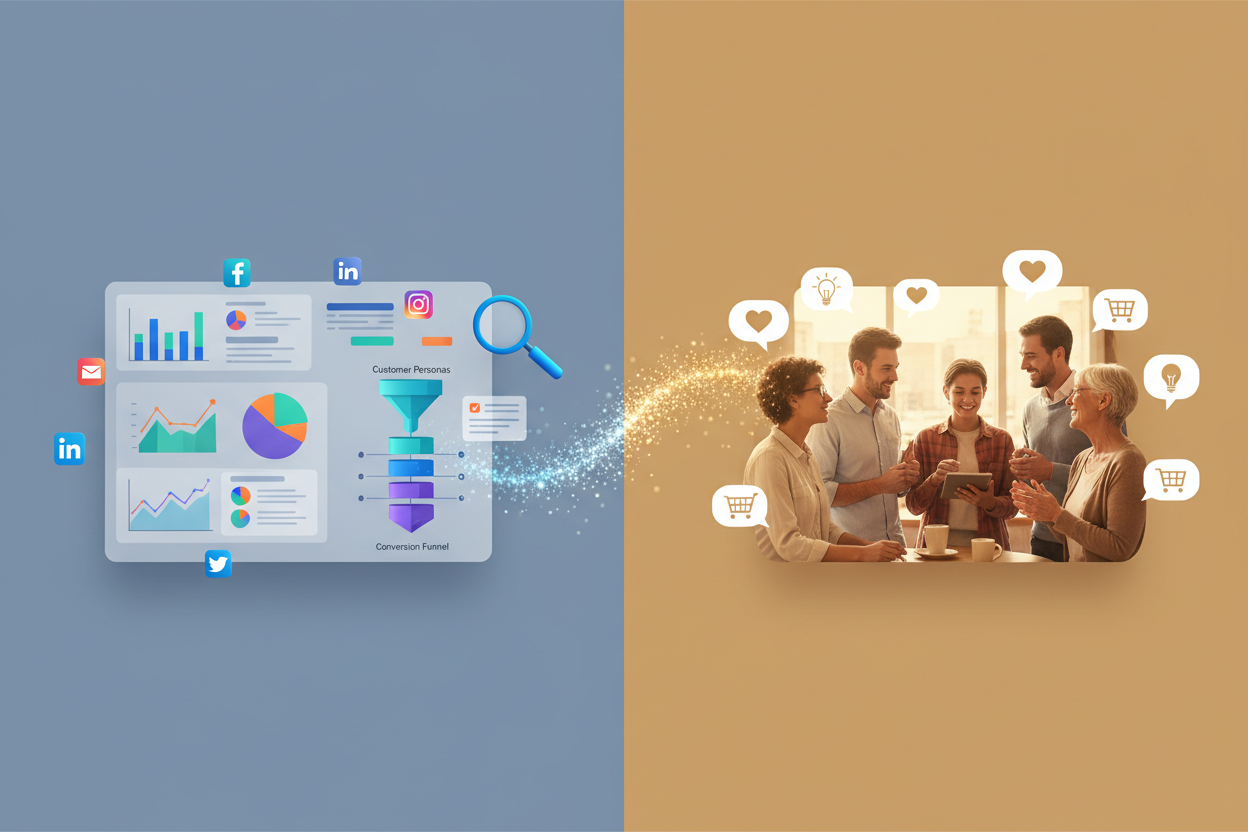
The truth is, the landscape has evolved dramatically. Today’s successful affiliate marketers aren’t just content creators; they’re conversion optimization specialists, data analysts, and trust builders all rolled into one. If you’re reading this, chances are you’re either starting your affiliate journey or looking to breathe new life into your existing campaigns.
Throughout my years in digital marketing, I’ve seen the strategies that work and the ones that fall flat. This comprehensive guide will walk you through the most effective conversion-boosting techniques that are actually working in 2025 – not outdated tactics from 2020 that everyone’s still recycling.
Understanding Your Audience Like Never Before 🎯
Gone are the days when you could create content for a generic “target audience.” Today’s successful affiliate marketers dive deep into audience psychology, creating detailed buyer personas that go beyond basic demographics.
Start by analyzing your audience’s pain points, desires, and decision-making processes. What keeps them up at night? What solutions are they actively seeking? I recommend creating at least three distinct buyer personas for your niche, each with specific characteristics, preferences, and buying behaviors.
Use tools like Google Analytics 4, social media insights, and direct surveys to gather this information. The key is understanding not just who your audience is, but why they make purchasing decisions. When you truly understand their motivations, you can craft content that resonates on a deeper level, naturally leading to higher conversion rates.
Consider implementing heat mapping tools on your website to see exactly how visitors interact with your content. This visual data can reveal surprising insights about where people spend time, what catches their attention, and where they lose interest.
Mobile-First Optimization Strategies 📱
Here’s a statistic that might shock you: over 70% of affiliate purchases in 2025 happen on mobile devices. Yet, I still see marketers treating mobile optimization as an afterthought. This is a massive mistake that’s costing conversions every single day.
Mobile-first optimization means designing your entire affiliate strategy around the mobile experience. Your content should load lightning-fast on mobile devices – we’re talking under 3 seconds. Compress images, minimize plugins, and choose hosting that prioritizes speed.
But speed is just the beginning. Your affiliate links need to be easily clickable with a thumb, your content should be scannable with short paragraphs and bullet points, and your call-to-action buttons should be prominent and accessible. I’ve seen conversion rates jump by 40% simply by making CTAs more mobile-friendly.
Consider the mobile shopping journey carefully. Mobile users often research on their phones but complete purchases on desktop, or vice versa. Ensure your tracking and attribution can handle cross-device conversions, and make the transition between devices seamless for your audience.
AI-Powered Personalization Techniques 🤖
Artificial intelligence isn’t just a buzzword anymore – it’s a practical tool that’s revolutionizing how we approach affiliate marketing conversions. The most successful affiliates in 2025 are leveraging AI to deliver personalized experiences that feel almost psychic in their accuracy.
Start with dynamic content that changes based on visitor behavior. If someone’s been reading your reviews about budget laptops, show them more budget-friendly options rather than premium products. AI tools can analyze visitor patterns and automatically adjust your content recommendations.
Email marketing has been transformed by AI personalization. Instead of sending the same promotional email to everyone, AI can determine the optimal send time, subject line, and product recommendations for each subscriber. I’ve personally seen email conversion rates triple when implementing proper AI personalization.
Chatbots powered by AI can also guide visitors toward the most relevant products, answer questions in real-time, and provide personalized recommendations. The key is making these interactions feel natural and helpful, not pushy or robotic.
Data-Driven Content Creation 📊
Creating content based on gut feelings is a luxury successful affiliate marketers can’t afford. Every piece of content should be backed by data, from keyword research to performance analytics. This doesn’t mean removing creativity – it means channeling it more effectively.
Start with comprehensive keyword research that goes beyond search volume. Look at search intent, competition levels, and conversion potential. Tools like Ahrefs and SEMrush can show you which keywords actually lead to purchases, not just traffic.
Analyze your existing content performance religiously. Which blog posts generate the most affiliate revenue? What topics resonate most with your audience? Double down on what’s working and pivot away from what isn’t. I review my content performance weekly and adjust my strategy accordingly.
Create content clusters around high-converting topics. If a particular product review is performing well, create supporting content like comparison articles, how-to guides, and troubleshooting posts. This comprehensive approach builds topical authority and captures visitors at different stages of the buying journey.
Strategic Link Placement and Trust Building 🔗
The placement of your affiliate links can make or break your conversion rates. Random link dropping is not only ineffective but can actually harm your credibility. Strategic placement requires understanding the customer journey and placing links where they feel natural and helpful.
The most effective approach is contextual linking – placing affiliate links exactly where they add value to the reader’s experience. If you’re explaining a problem, link to the solution. If you’re describing a feature, link to where they can experience it themselves.
Transparency is absolutely crucial in 2025. Clearly disclose your affiliate relationships, but do it in a way that builds trust rather than creates suspicion. I prefer honest statements like “I earn a commission if you purchase through my links, which helps me create more helpful content like this.”
Build authority through consistent, valuable content before promoting products heavily. Your audience needs to trust your recommendations, which only comes through demonstrating genuine expertise and putting their interests first. This long-term approach yields much higher conversion rates than aggressive promotion.
Social Proof and Community Engagement 💬
Social proof has evolved far beyond simple testimonials. Today’s consumers want to see real people using products, sharing experiences, and providing honest feedback. Building a community around your affiliate content creates a powerful conversion engine.
Encourage user-generated content by creating hashtags, running contests, and featuring customer stories. When potential buyers see real people like themselves using and loving products, conversion rates skyrocket. I’ve seen this approach increase conversions by up to 60% in some niches.
Engage actively in comments, social media, and community forums. Answer questions, provide additional value, and build relationships. This engagement builds trust and positions you as a helpful resource rather than just another affiliate marketer.
Consider creating exclusive communities for your audience – Facebook groups, Discord servers, or membership sites where people can share experiences and get personalized recommendations. These communities become incredibly valuable conversion assets over time.
Video Content and Interactive Elements 🎥
Video content isn’t optional anymore – it’s essential for maximizing affiliate conversions. Video allows you to demonstrate products, build personal connections, and address objections in ways that text simply cannot match.
Create product demonstration videos that show real-world usage. Don’t just read specifications; show the product solving actual problems. Unboxing videos, tutorials, and comparison videos consistently outperform text-based content in terms of conversion rates.
Interactive elements like polls, quizzes, and product configurators can significantly boost engagement and conversions. A well-designed quiz that recommends products based on individual needs can convert at rates 3-4 times higher than traditional content.
Live streaming has become particularly powerful for affiliate marketing. Live product demonstrations, Q&A sessions, and real-time reviews create urgency and allow for immediate interaction with potential buyers. The authenticity of live content builds trust quickly.
Advanced Analytics and Performance Tracking 📈
You can’t optimize what you don’t measure. Advanced analytics in 2025 goes far beyond basic click-through rates and conversion tracking. Successful affiliates are diving deep into user behavior, attribution models, and lifetime value calculations.
Implement multi-touch attribution to understand the complete customer journey. A visitor might discover you through social media, return via Google search, and finally convert through an email link. Understanding these pathways helps you optimize the entire funnel.
Track micro-conversions alongside final sales. Email signups, video views, and content downloads all indicate engagement levels and can help predict future conversions. This data allows you to optimize for long-term success rather than just immediate sales.
Use cohort analysis to understand how different traffic sources and content types perform over time. Some traffic might convert immediately but have low lifetime value, while other sources might take longer to convert but generate more valuable customers.
Conclusion: Your Roadmap to Higher Conversions 🎁
Boosting conversion rates in affiliate marketing isn’t about finding a magic bullet – it’s about implementing a comprehensive strategy that puts your audience first while leveraging the latest tools and techniques available in 2025.
The strategies we’ve covered work because they focus on creating genuine value for your audience. When you truly understand your visitors, provide them with personalized experiences, and build trust through transparency and expertise, conversions follow naturally.
Remember, conversion optimization is an ongoing process, not a one-time fix. Test different approaches, analyze your results, and continuously refine your strategy. The affiliate marketers who succeed in 2025 and beyond will be those who adapt quickly and always put their audience’s needs first.
Start implementing these strategies one at a time, measure your results, and build on what works. With patience and persistence, you’ll see your conversion rates climb steadily upward, creating a more profitable and sustainable affiliate marketing business.
Frequently Asked Questions ❓
What’s the average conversion rate for affiliate marketing in 2025?
Conversion rates vary significantly by niche, but successful affiliate marketers typically see rates between 2-5% for cold traffic and 10-20% for warm, targeted audiences. Focus on improving your specific metrics rather than comparing to industry averages.
How long does it take to see improvements in conversion rates?
Most optimization efforts show initial results within 2-4 weeks, but significant improvements often take 2-3 months of consistent implementation. The key is to make systematic changes and track results carefully.
Which traffic source typically converts best for affiliate marketing?
Email marketing consistently shows the highest conversion rates, followed by targeted social media traffic and organic search. However, the best source depends heavily on your niche and audience.
How important is website speed for affiliate conversions?
Website speed is crucial – even a one-second delay can reduce conversions by up to 7%. Aim for loading times under 3 seconds, especially on mobile devices where most affiliate purchases happen.
Should I focus on high-ticket or low-ticket affiliate products?
Both can be profitable, but high-ticket products typically require more trust-building and longer sales cycles. Low-ticket products can provide quick wins and help build audience relationships. Consider promoting both strategically.
How do I avoid coming across as too salesy in my affiliate content?
Focus on providing value first and solving problems. Share personal experiences, address common objections honestly, and only recommend products you genuinely believe in. Transparency and authenticity are key to building trust.
Our number 1 got to
Hit the button to check ot our number 1 go to affiliate program
Check out our sister site for the best affiliate programs of 2025