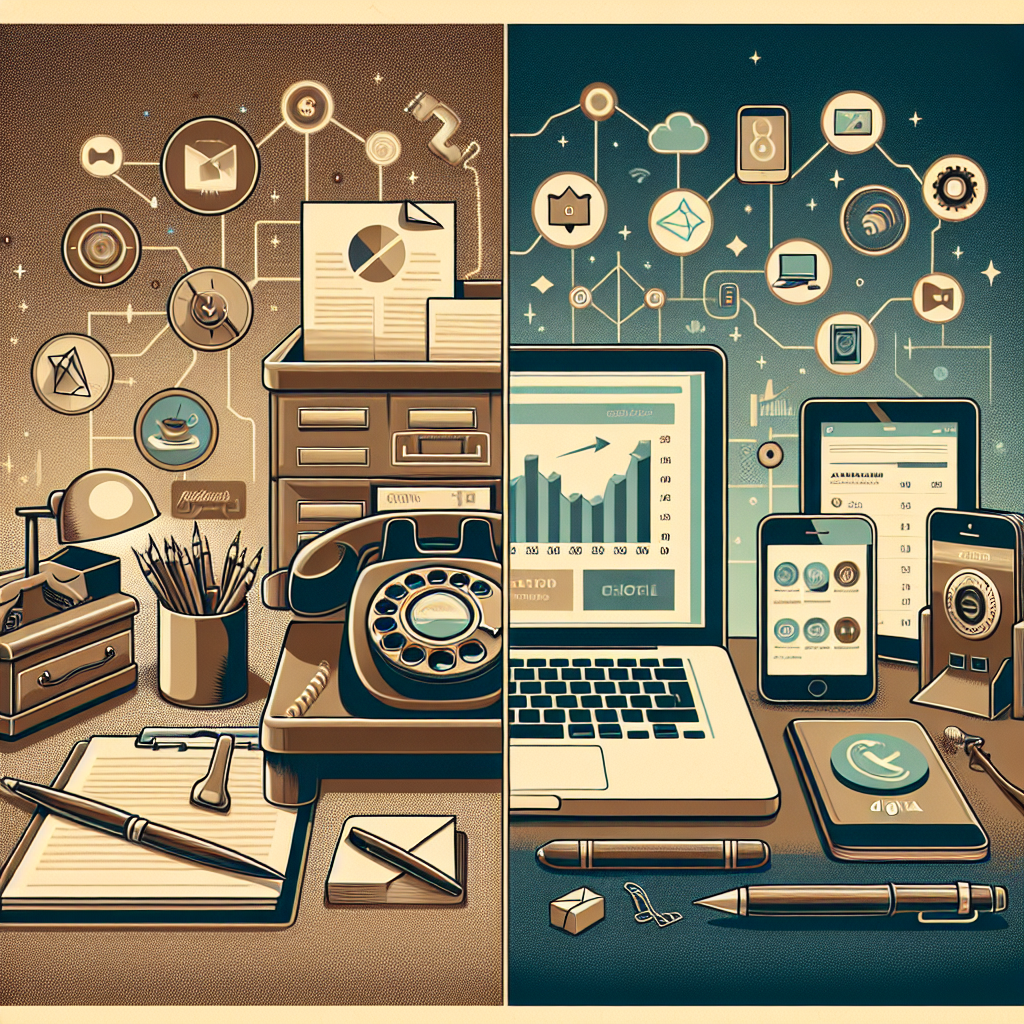
How to Transition from Traditional to Digital Affiliate Marketing
In today’s dynamic business landscape, the shift from traditional to digital marketing is not just a trend—it’s a necessity. Affiliate marketing, a subset of this digital transition, is rapidly evolving, enabling marketers to reach broader audiences more efficiently. If you’re contemplating making this transition, you’re in the right place! Let’s delve into how you can successfully navigate this change and unlock new opportunities. 🌐
Table Of Contents
1. Introduction to Affiliate Marketing
2. Understanding Traditional Affiliate Marketing
3. The Rise of Digital Affiliate Marketing
4. Key Steps to Transition
5. Tools & Platforms for Digital Success
6. Common Challenges and How to Overcome Them
7. Conclusion
8. FAQs


Introduction to Affiliate Marketing
Affiliate marketing is a performance-based strategy where businesses reward affiliates for marketing their products and generating sales. Traditionally, this involved physical promotions and direct customer interactions. However, with the digital revolution, there’s a paradigm shift towards online channels. Let’s explore this journey together.
Understanding Traditional Affiliate Marketing
Before the internet became ubiquitous, affiliate marketing primarily relied on partnerships between businesses and physical retailers or publishers. Affiliates used print media, TV, radio, and direct mail to promote products. This method, although effective, had its limitations in terms of reach and measurability.

The Rise of Digital Affiliate Marketing
The advent of the internet revolutionized affiliate marketing. It opened doors to a global audience, allowing marketers to reach potential customers anytime, anywhere. Digital affiliate marketing is powered by content-driven strategies, social media, and advanced analytics, offering precise tracking and higher ROI.
Key Steps to Transition
Transitioning from traditional to digital affiliate marketing requires strategic planning and adaptation. Here’s how you can make this shift smoothly:
1. Educate Yourself
Start by familiarizing yourself with digital marketing concepts. Understanding SEO, social media marketing, and content creation is crucial. Various online courses and webinars can provide valuable insights and skills.
2. Build a Strong Online Presence
Develop a website or blog to serve as your digital hub. Ensure it’s SEO-optimized to attract organic traffic. Consistently create valuable content that engages and educates your audience.
3. Leverage Social Media
Social media platforms like Instagram, Facebook, and YouTube offer immense potential for affiliate marketing. Use these platforms to connect with your audience, promote products, and build brand loyalty.
4. Choose the Right Affiliate Programs
Select programs that align with your niche and audience. Evaluate the commission structure, support, and reputation of potential partners. Platforms like Amazon Associates, ShareASale, and CJ Affiliate are popular choices.
5. Utilize Analytics Tools
Analytics are your best friend in digital marketing. Use tools like Google Analytics to track your performance, optimize strategies, and make data-driven decisions.
Tools & Platforms for Digital Success
To thrive in digital affiliate marketing, utilize these essential tools and platforms:
1. Affiliate Networks
Platforms like ClickBank and Rakuten provide a marketplace for finding affiliate products and managing partnerships.
2. SEO Tools
Tools such as Ahrefs and SEMrush help in keyword research, backlink analysis, and monitoring search engine performance.
3. Content Management Systems
WordPress and Squarespace offer user-friendly platforms to create and manage your website or blog.
4. Email Marketing Platforms
Services like Mailchimp and ConvertKit help in building email lists and crafting effective campaigns to engage your audience.
Common Challenges and How to Overcome Them
Transitioning to digital affiliate marketing isn’t without its challenges. Here are some common hurdles and tips to overcome them:
1. Adapting to New Technology
Solution: Take it one step at a time. Focus on mastering one tool or platform before moving to the next.
2. Keeping Up with Trends
Solution: Stay informed by following industry leaders, joining forums, and subscribing to digital marketing blogs.
3. Building Trust and Credibility
Solution: Consistently provide value to your audience and maintain transparency in your promotions.
Conclusion
The transition from traditional to digital affiliate marketing is an exciting journey filled with opportunities for growth and innovation. By embracing digital tools and strategies, you can reach a wider audience, enhance your marketing efforts, and achieve sustainable success. Remember, it’s about continuous learning and adaptation. Dive in with enthusiasm, and the rewards will follow. 🚀
FAQs
Q1: Is digital affiliate marketing suitable for beginners?
A: Absolutely! With the right resources and dedication, anyone can succeed in digital affiliate marketing.
Q2: How long does it take to see results?
A: It varies, but with consistent efforts, you can start seeing results within a few months.
Q3: Do I need a large social media following to succeed?
A: Not necessarily. Focus on building an engaged and targeted audience, regardless of size.
Q4: Can I do digital affiliate marketing alongside my day job?
A: Yes, many affiliate marketers start part-time. It’s a flexible way to generate additional income.
Embark on your digital affiliate marketing journey today and unlock endless possibilities. Happy marketing! 🎉
Check out our sister site for the best affiliate programs of 2025